A safari with children is entirely doable, and often turns into the trip a family talks about for years, but it does need a slightly different approach to planning than a couples or solo itinerary. Here’s what actually helps.
Age matters more than most other factors
Most camps and lodges set a minimum age for game drives, commonly six, though it varies by property, and some family-focused camps take children younger with private vehicle arrangements. Below that age, the practical concern isn’t safety so much as the reality of long, quiet drives, small children generally don’t have the patience for hours of waiting for a distant sighting, and a fussy toddler affects everyone else in a shared vehicle. If you’re travelling with a child under six, look specifically for family camps offering private game drives, so pace and duration are entirely in your control.
Choosing family-friendly camps
A genuinely family-friendly camp isn’t just one that “allows” kids, it’s one built around them: family tents or interconnecting rooms rather than adults-only romantic bandas, a pool for downtime between drives, kids’ activity programmes, tracking lessons, junior ranger badges, beading with local Maasai women, and staff genuinely experienced with children rather than merely tolerant of them. This is worth asking about specifically when booking rather than assuming; not every lodge that permits children is set up to make the visit easy.
Structuring the itinerary itself
Fewer camps, longer stays
Adults can handle a fast-paced, camp-hopping itinerary; children generally can’t, or at least don’t enjoy it. Two or three nights per camp, rather than one, cuts down on transfer days and gives kids a chance to actually settle in, get to know camp staff, and enjoy the pool or activity programme rather than living out of a bag.
Shorter, flexible game drives
A three-hour morning drive with a break for a stretch and snack works far better for younger children than a rigid, all-morning outing. Private vehicles, worth the extra cost if your budget allows, let you turn back early if attention spans run out.
Build in downtime
Not every hour of a family safari needs to be a game drive. Pool afternoons, a short guided nature walk around camp, or a visit to a local school or Maasai village give kids, and honestly adults too, a break from the vehicle.
Health and safety practicalities
Malaria risk is a genuine consideration for family trips, discuss antimalarial options for children with a travel health specialist well ahead of departure, and note that certain parks and lower-altitude regions carry more risk than higher-altitude ones like the Mara. Yellow fever vaccination requirements vary by country and by where you’re arriving from, check current requirements for each country on your itinerary, not just your first stop. Pack a family first-aid kit with children’s-strength medication, since it’s not always readily available at remote camps.
Keeping kids genuinely engaged, not just present
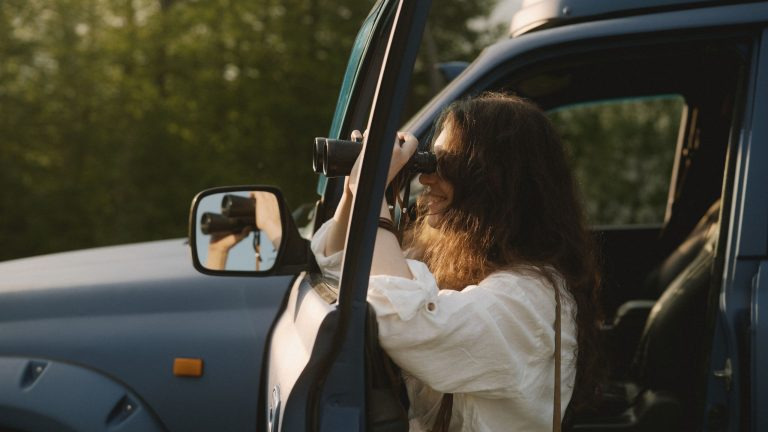
Children get far more out of a safari when they’re given something active to do, a “Big Five” checklist to tick off, a notebook for guides to draw animal tracks in, or binoculars sized for smaller hands, some camps stock junior pairs. Guides are generally excellent at reading a young audience and adjusting commentary if you tell them upfront that keeping the kids curious matters more to you than covering ground.
A note on gorilla trekking and older children
Most gorilla trekking permits have a strict minimum age of 15, set by park authorities rather than individual operators, so it’s not negotiable. If gorilla trekking matters to your family and you have younger children, plan for a babysitting or activity arrangement at a nearby lodge during that portion of the trip rather than assuming everyone can join.
Planning a family trip with us
We build family itineraries around your children’s ages first, then layer the parks and camps around that, rather than the other way round. Tell us how old your kids are and roughly how many days you have, and we’ll put together a route that keeps everyone, including the adults, actually enjoying themselves.